|
Small-group educational wildlife tours from Brisbane, Nature activities in the Scenic Rim (Southeast Queensland) Environmental consultancies,
books and other products and services
 |
|||||||||||
|
|||||||||||
Australian Wildlife Overview TourClick here for a detailed itinerary |
|||||||||||
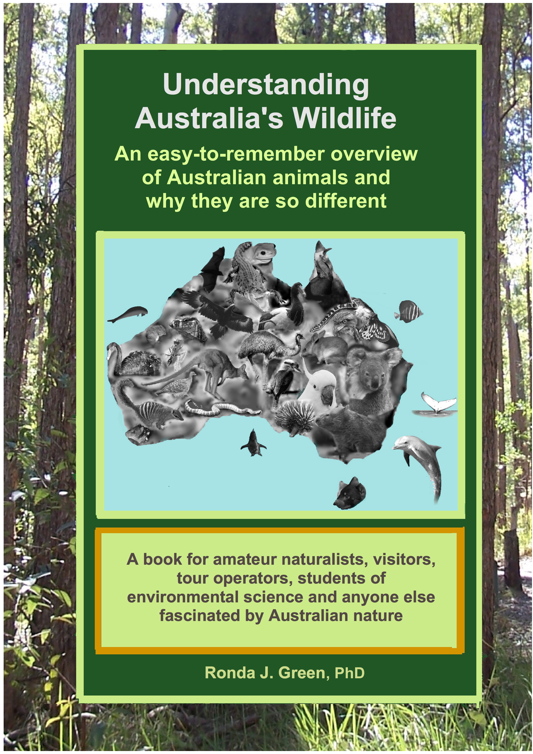 Wildlife book
given to each family, couple or individual guest
to use along the way and take home at the end of
the tour (if traveling light,
we can email a pdf or give it to you on a USB stick to take instead but it helps to have the physical book with you during the tour for our dicsussions) Please visit our SAFETY page |
What you can expect on tour:
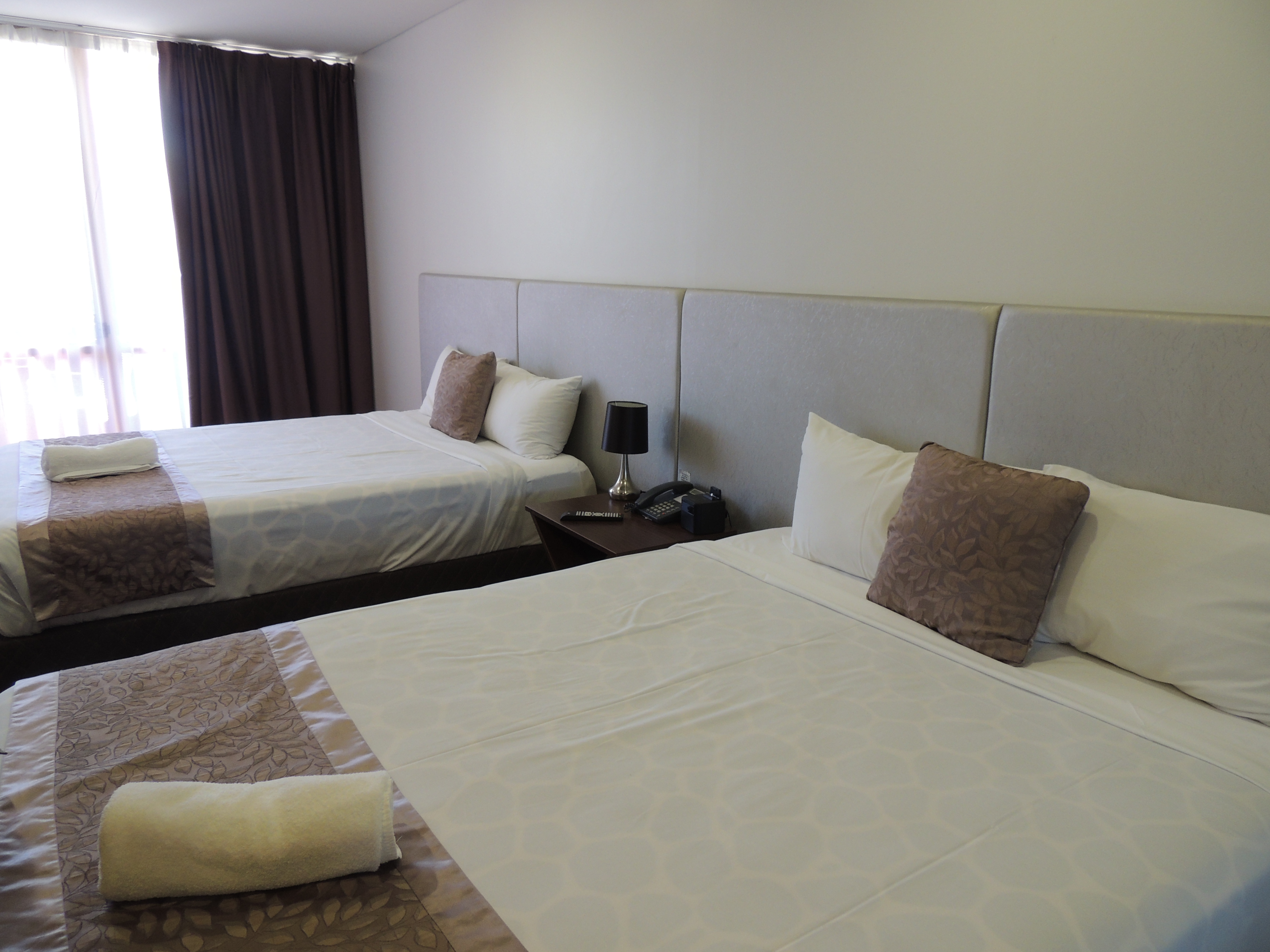
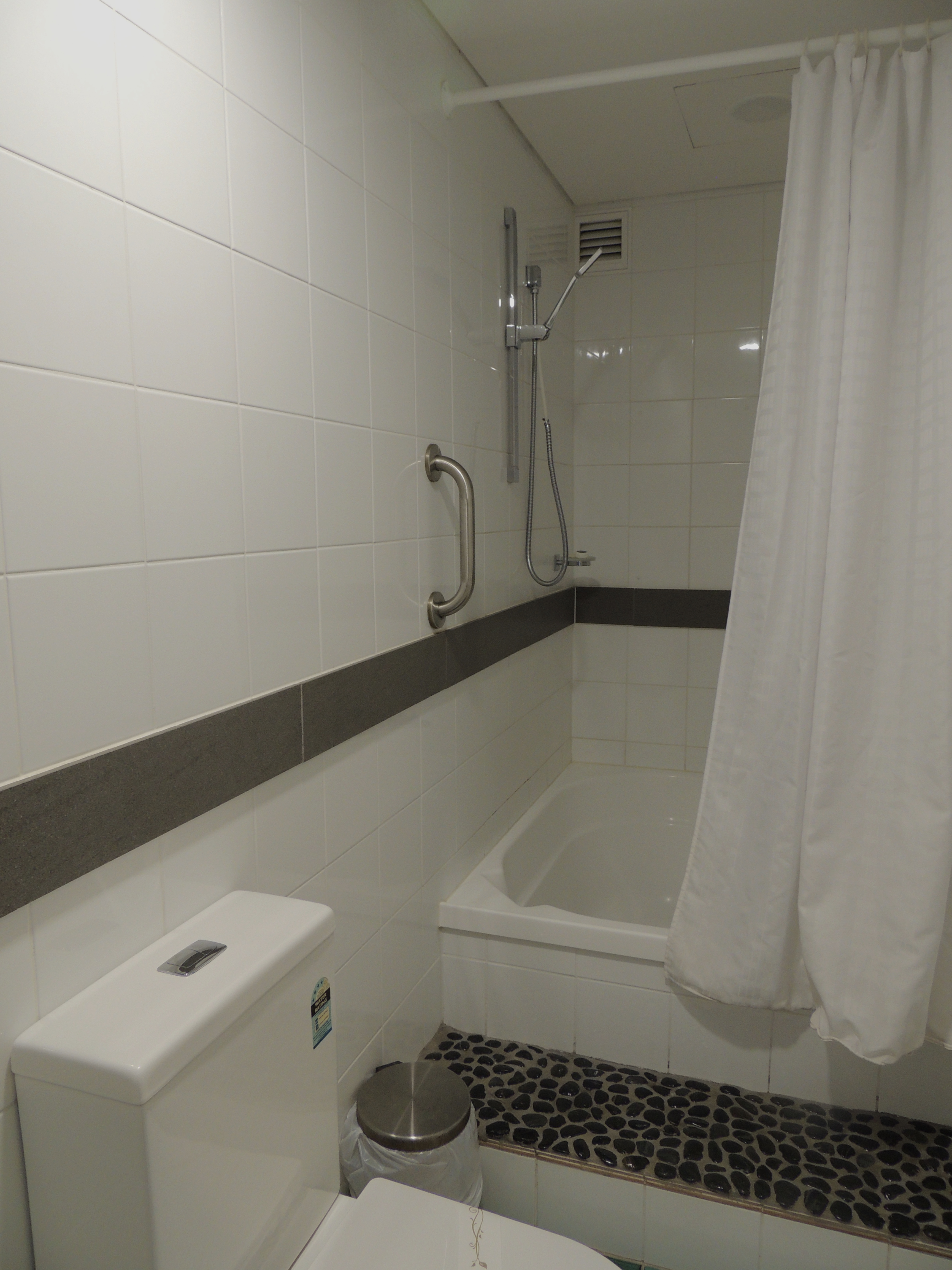
Tour departs 9.00am, usually on a Wednesday (BOOKINGS ESSENTIAL!) from your city or south-side accommodation or a south-side railway station (other by arrangement with sufficient advance notice: may incur extra cost), arriving back around 6.00-7.00pm on Friday. No tours Christmas - New Year or at Easter (traffic is crazy and venues are closed or crowded We can, for an additional $55 per group, pick up from the airport, but it is better to arrive in Brisbane at least the night before and get a good sleep. Our itinerary is designed to give you the best chance of seeing a variety of wildlife, and it is a pity if you are so tired by mid-day after an international flight that you miss out on seeing the animals we won't see on the other two days. An additional $55 per group is also charged for a Gold Coast pickup. CAMPING OPTION: We also no longer run the camping option on a regular basis. If you do want a budget option, like the idea of camping between the forest and a lovely creek, are happy to erect the tent yourself (with assistance where needed) and don't mind having no shower or hot running water, let us know and we may be able to oblige as a custom tour. OTHER OPTIONS (additional cost): spend the second night by the rainofrest at O'Reilly's Ranforest Retreat or Binna Burra. Add an additiona day (see below). Click
here for Prices of our tours (in
Australian dollars
|
||||||||||
|
|
|||||||||||
Standard 3-day
wildlife overview tour
|
|||||||||||
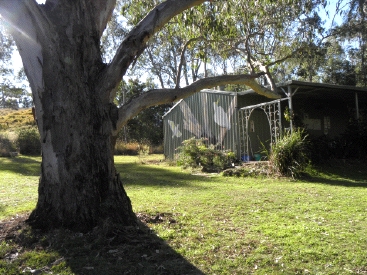
Leaving the city, we
head straight to Daisy
Hill State Forest to experience the typical
'Aussie bushland' (eucalypt
forests), found only in Australia and (to a much
lesser extent) New Guinea. |
|||||||||||
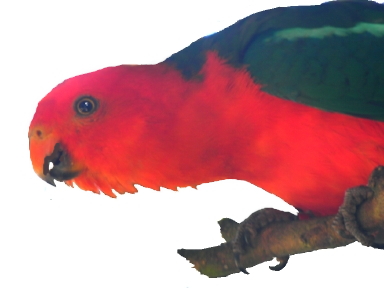
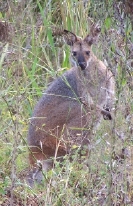
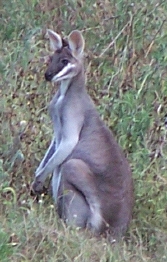
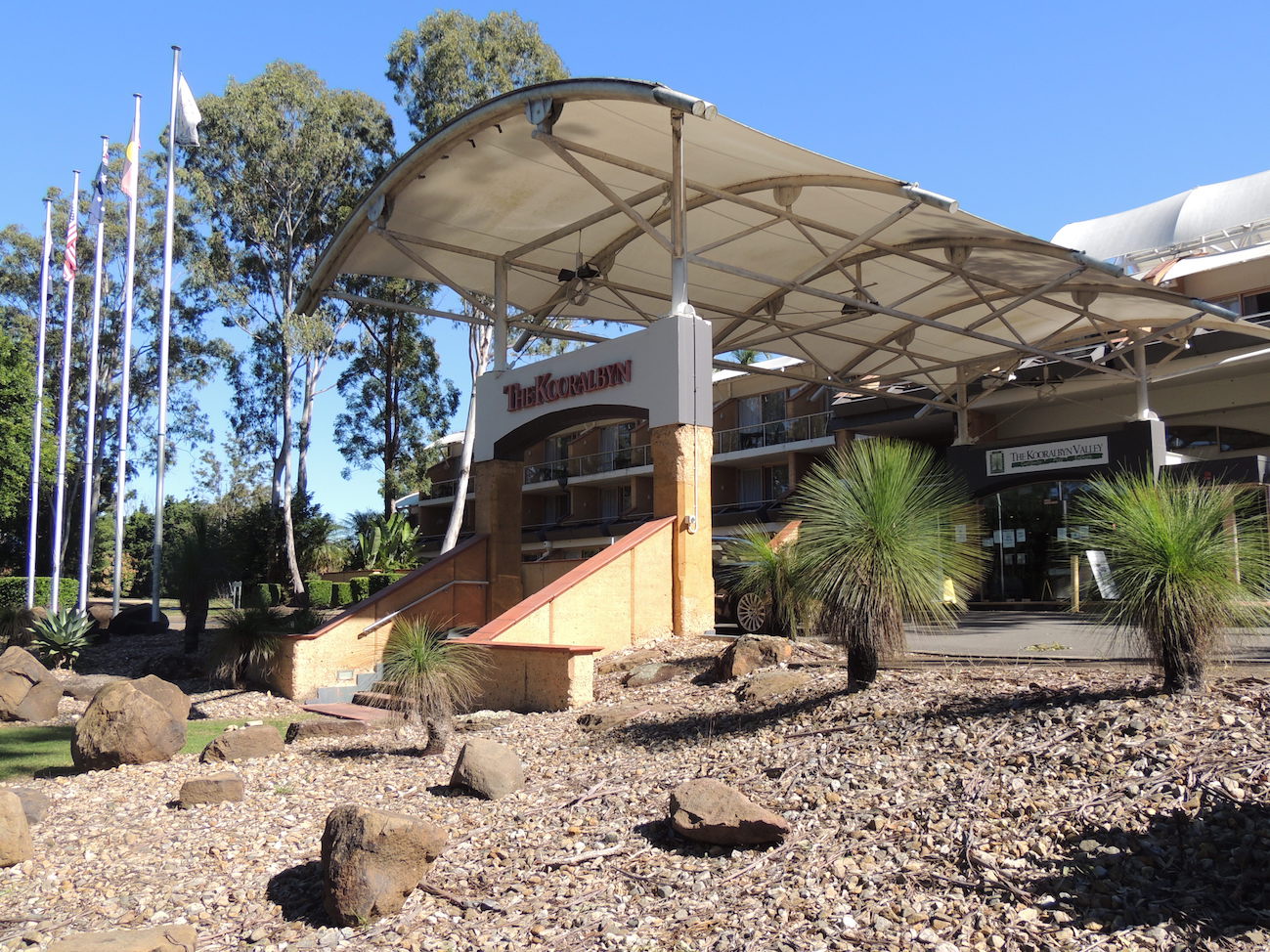
DAY TWO of the wildlife tourRise early if you wish to do some birdwatching or roo-watching in the grounds of the Kooralbyn Valley resort.After breakfast we head to O'Reilly's Rainforest Retreat at Lamington National Park, where we spend the morning exploring the World Heritage rainforests and seeking forest birds. Those who wish to can participate in another citizen scence project, watching and if possible photographing birds that disperse the seeds of rainforest plants. Birds we typically see in the rainforest include brush turkey, crimson rosella, king parrot, logrunner, three species of scrubwren, satin bowerbird (and sometimes regent bowerbird), brown thornbill, brown gerygone, eastern yellow robin, pied currawong and eastern whipbird. With some luck we may also see wompoo fruitdove, topknot pigeon, Albert's lyrebird (the world's best mimic), noisy pitta, paradise riflebird (the only bird of paradise outside of the tropics), rose robin and many others. Pademelons (small wallabies) often make an appearance in the forest or on the lawn of the neighbouring campground. In warmer months we may also see carpet pythons, land mullets and other reptiles, often basking on rocks in the sun. We also often see whiptail and red-necked wallabies in the more open habitats along the way to and from O'Reilly's. Depending on the wishes of our guests, we will either return to Kooralbyn in time for dinner (with the option of further nocturnal searches to follow) or dine at the Canungra Hotel so we can watch a colony of noisy flying foxes (fruitbats) take to the skies at dusk in search of flowers and fruits. 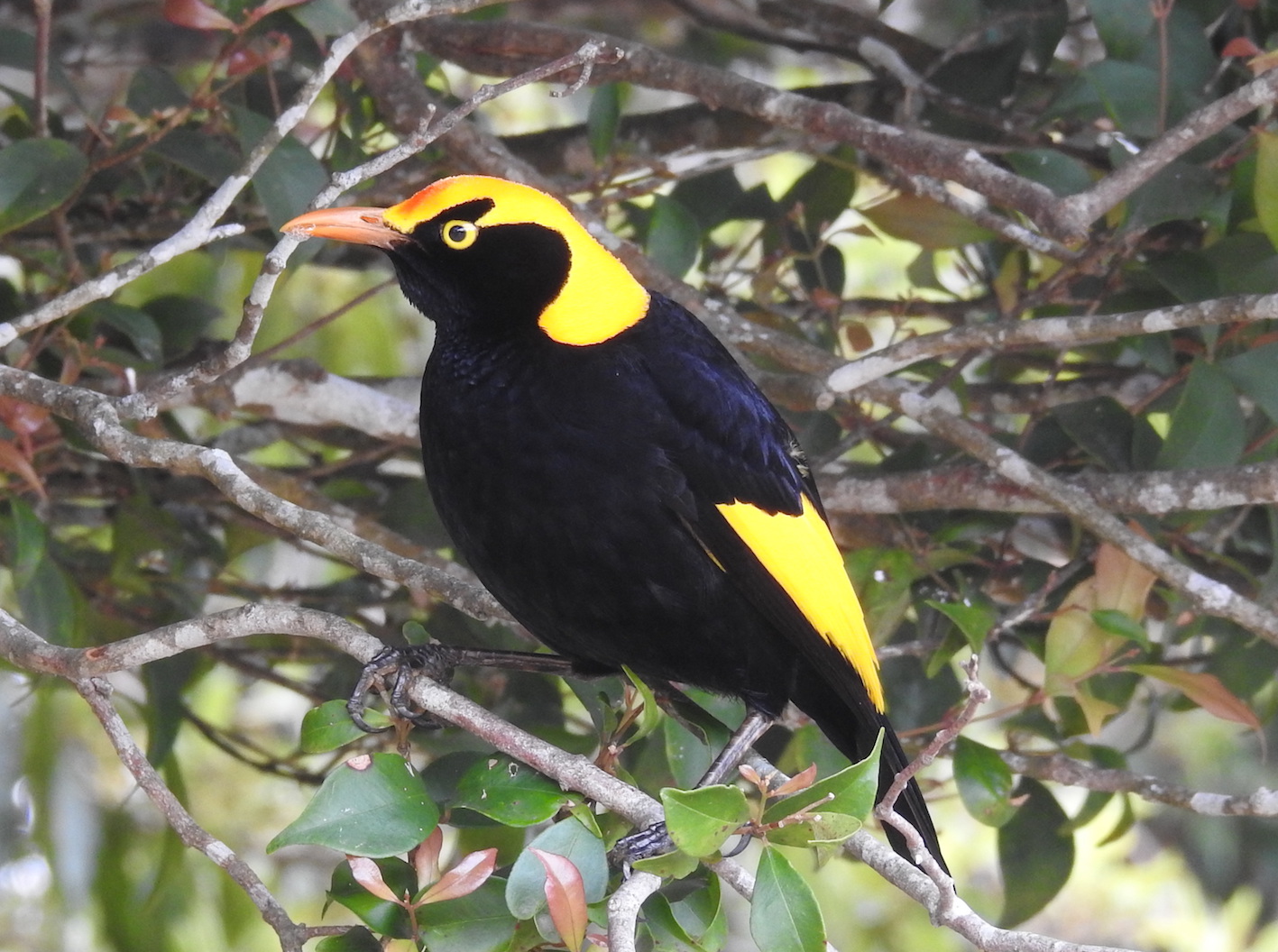 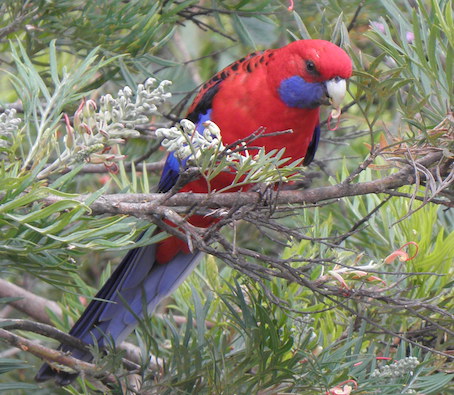 ] ]  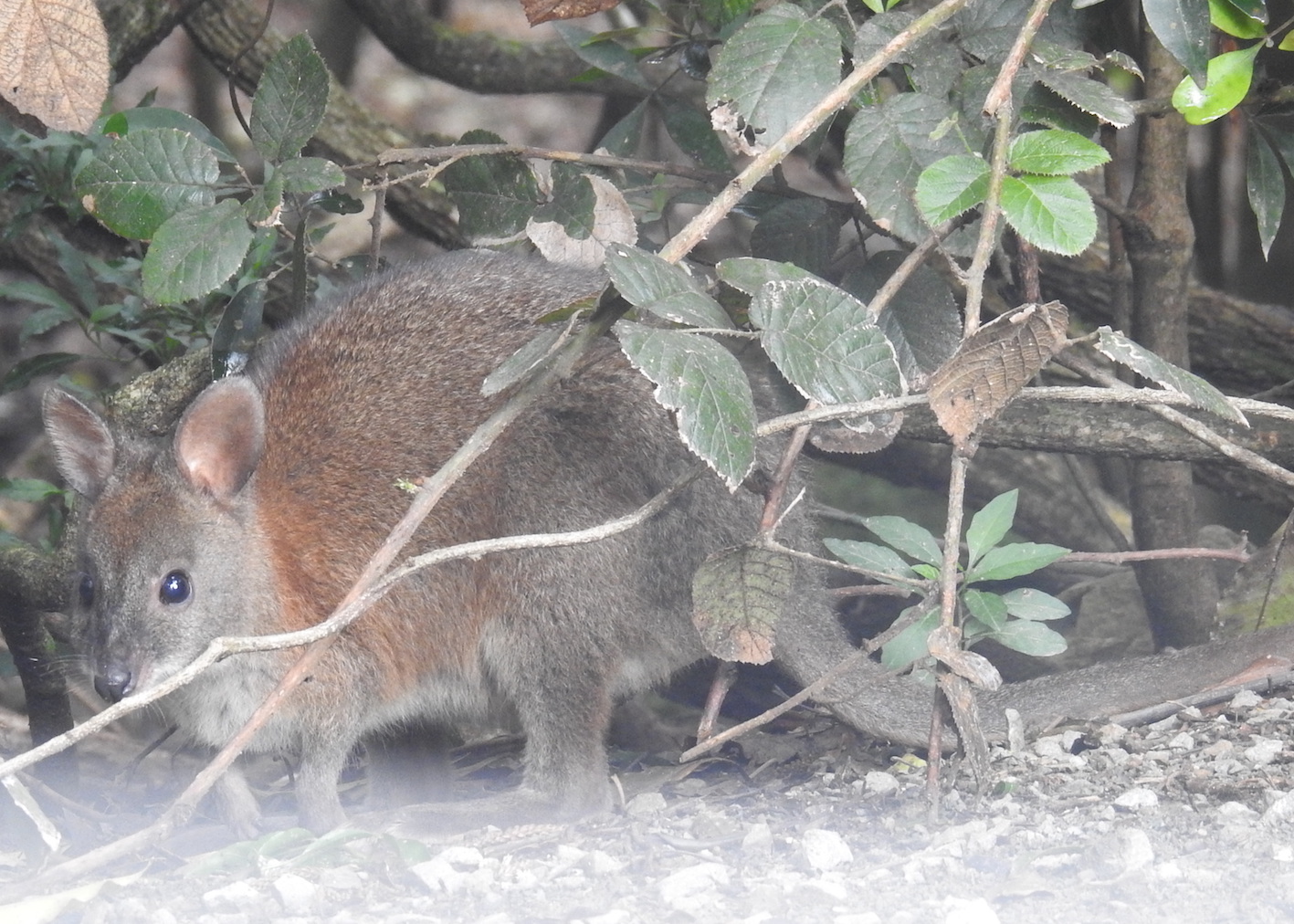 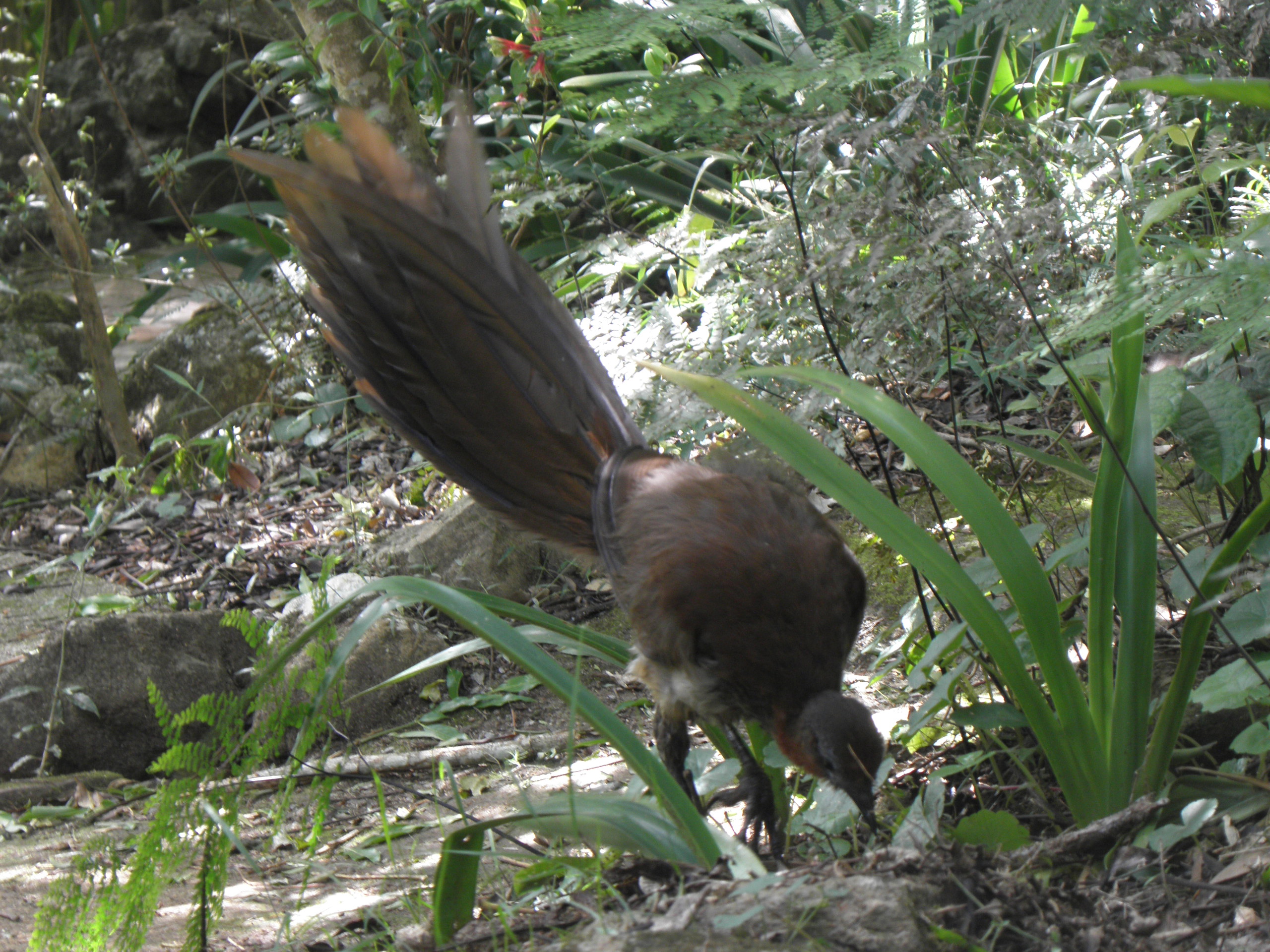 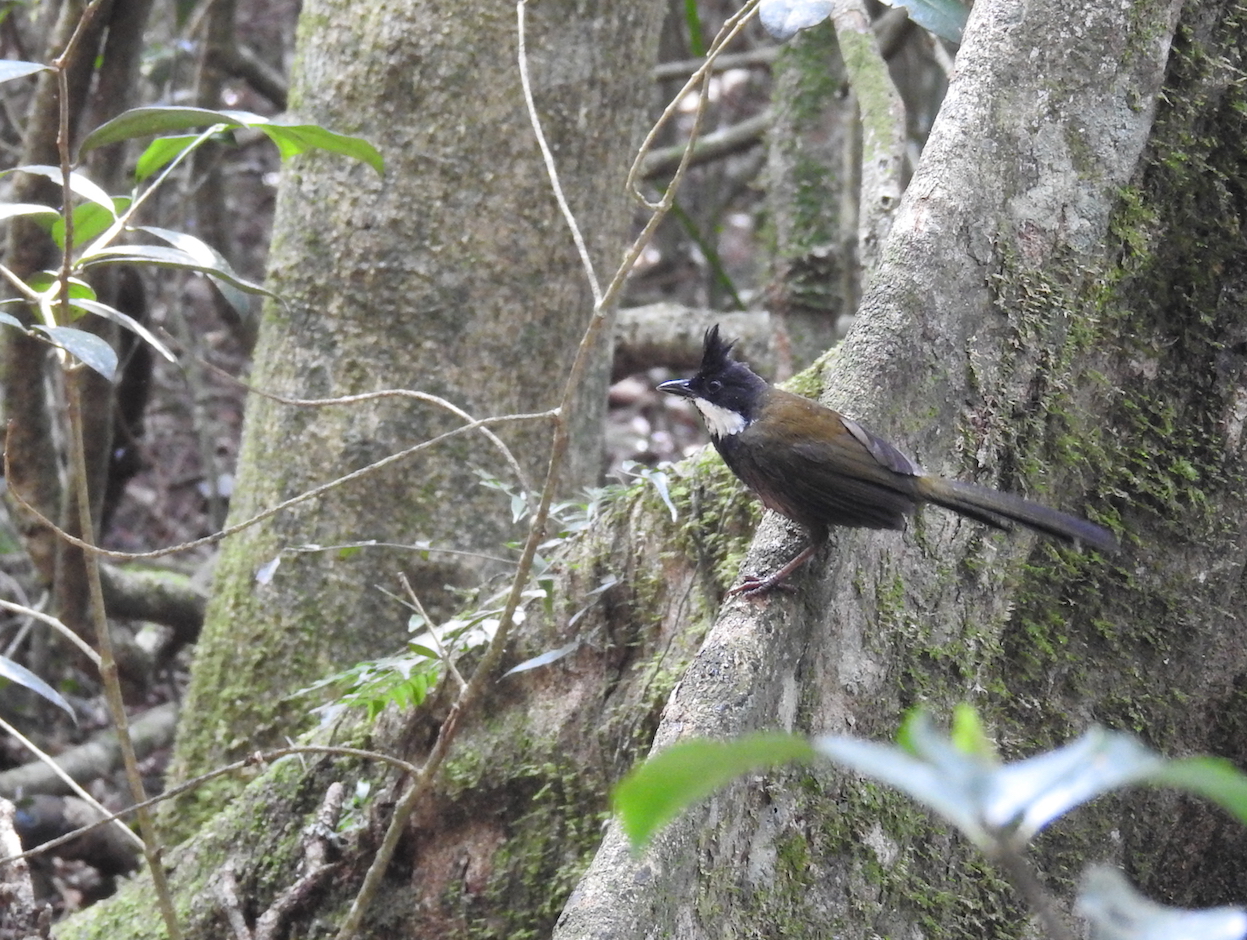 |
|||||||||||
DAY THREE of the wildlife tourAfter breakfast we travel to the southern Gold
Coast to visit the David Fleay Wildlife Park, a
well-run park originally started by zoologist Davd
Fleay to breed rare species, conduct research and
educate peope about our widlife, and now owned and
run by National Parks of Queensland. Here we see
some of Queensland's outback species (e.g. bilby,
hopping mice) and tropical northern species
(cassowary, crocodiles, tree kangaroo) as well as
some local species that can be difficult to find
in the wild (e.g. platypus, greater glider. It is one of the few places we can watch the
platypus swimming under water, using its rubbery
bill to seek vibrations and electrical impulses
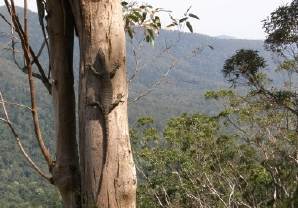
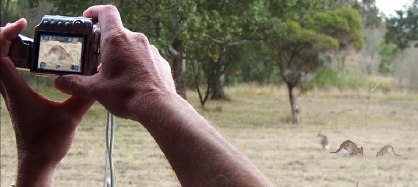
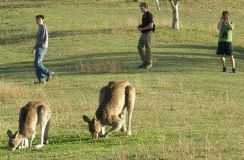
from its prey. Some animals bring themselves in from the surrounding bush and make the park their home, from eastern water dragons to pademelons (small wallabies), nankeen night herons and magpie geese.   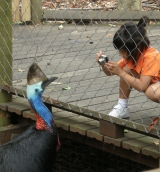 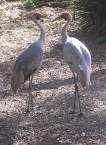 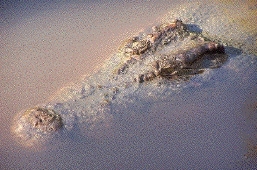 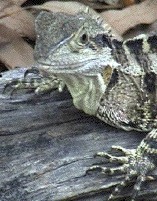 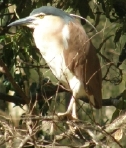 After lunch we may have time for a short beach walk, but our main destination will be Coombabah, where we enjoy an a leisurely walk through eucalypt forest and tea-tree wetland, seeking birds, koala, wallabies and large mobs of kangaroos, before returning to Brisbane. We have never yet failed to see kangaroos and at least one koala. Different birds visit during the year, largey according to seasonal migrations, rainfall and flowering seasons.  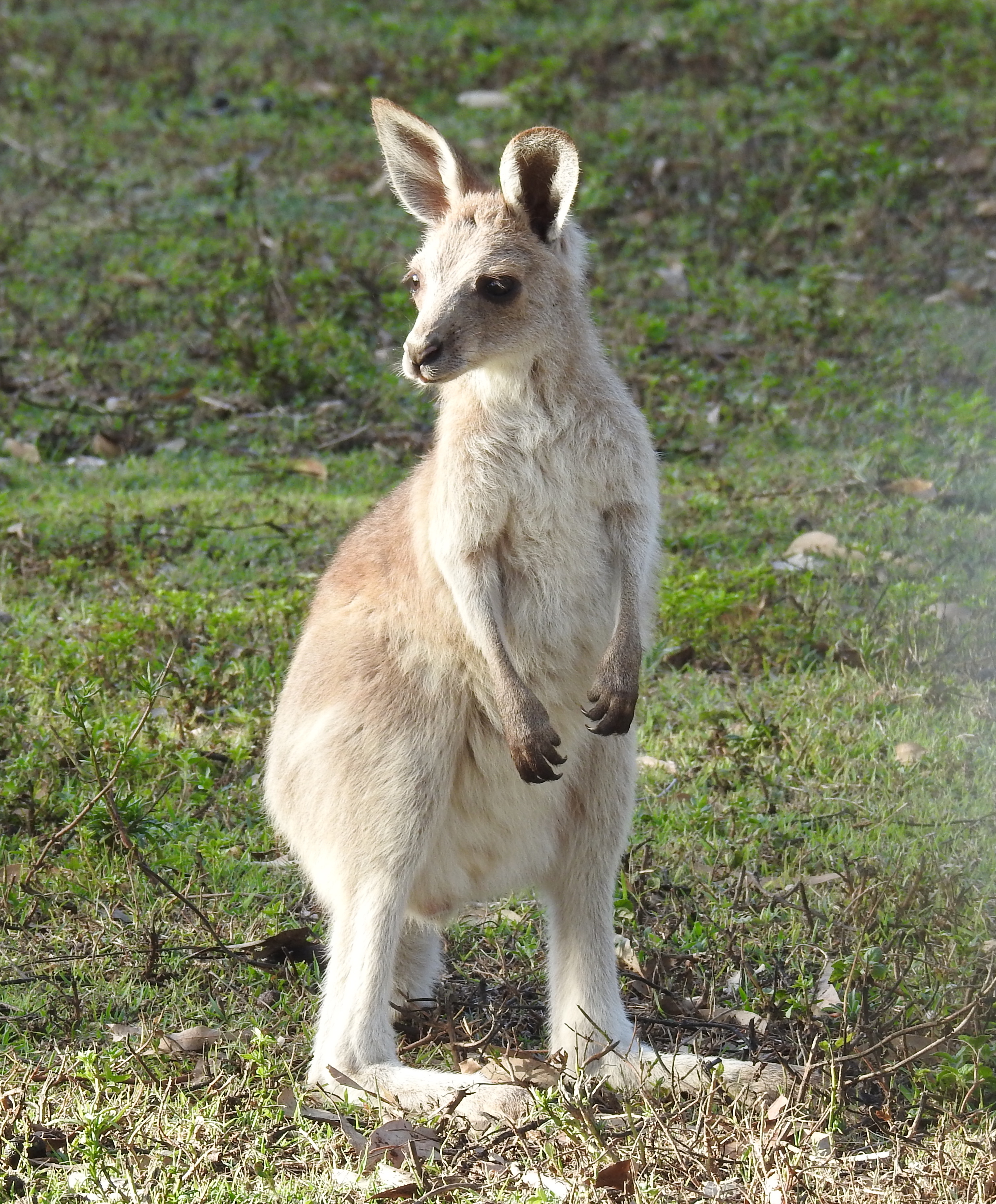  |
|||||||||||





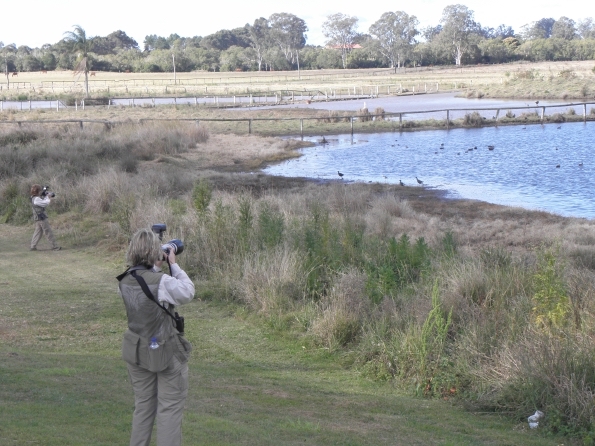
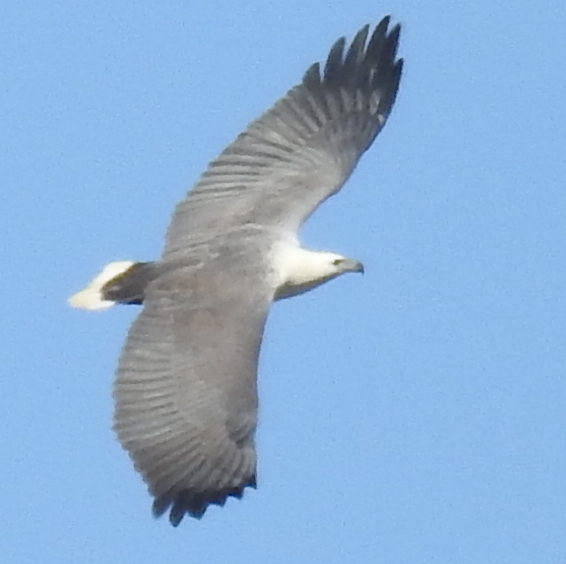
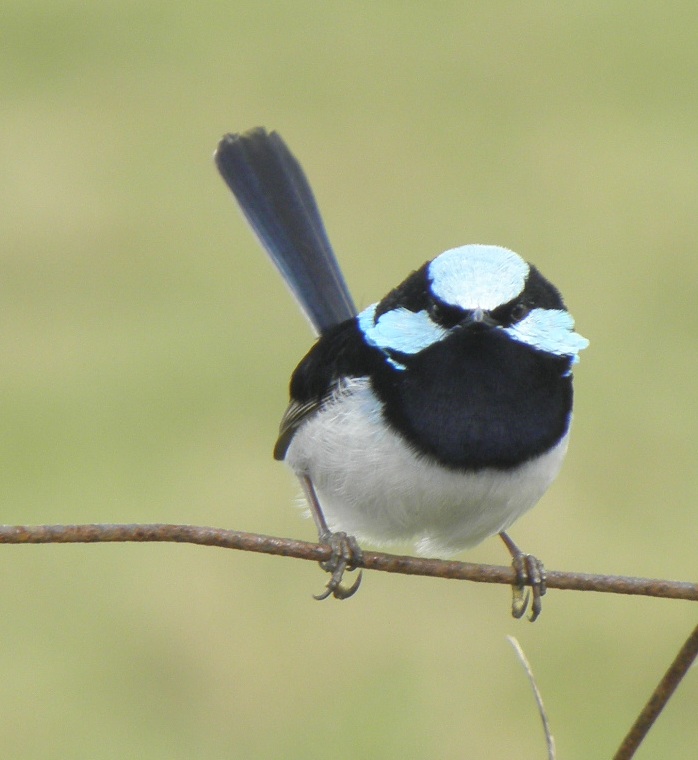

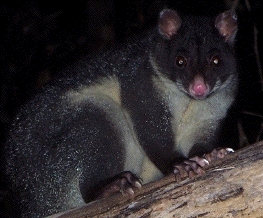
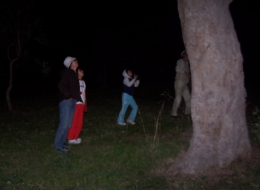
4-day option: for a seaside experience, add on a day-trip to Coochiemudlo Island (other possibilities for a customised tour)
11 or (if including Coochie) 12-day option: to really get a feel for Australia's diversity of wildlfe and ecosystems, add on an 8-day excursion to the outback (not in summer)
NOTE: we need plenty of advance notice for these options
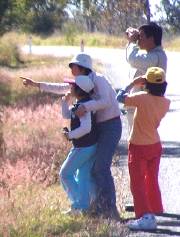 With
small
group sizes (usual
maximum
is ten), this
is not a
hurried
herding of
tourists on
and off buses,
into souvenir
shops, etc. Our
emphasis is on
spending time
in a variety
of scenic
natural
habitats at
the times of
day that
maximise our
chances of
seeing native
mammals,
birds,
reptiles and
other
wildlife.You
will have
ample
opportunity to
tell us your interests, and although we can't
fulfil every
wish (for
instance, when
seeking wild
animals , we
can't
guarantee
particular
species, and
we can't ask
them to change
their daily
schedules to
fit with
conventional
human
mealtimes) we
will try to
make your days
as enjoyable
and fulfilling
as possible.
You can let us
know any time
you want to
stop for
photos or
anything else
of interest,
and ask as
many questions
as you like -
if we don't
know the
answers we
will suggest
ways of
finding out.
With
small
group sizes (usual
maximum
is ten), this
is not a
hurried
herding of
tourists on
and off buses,
into souvenir
shops, etc. Our
emphasis is on
spending time
in a variety
of scenic
natural
habitats at
the times of
day that
maximise our
chances of
seeing native
mammals,
birds,
reptiles and
other
wildlife.You
will have
ample
opportunity to
tell us your interests, and although we can't
fulfil every
wish (for
instance, when
seeking wild
animals , we
can't
guarantee
particular
species, and
we can't ask
them to change
their daily
schedules to
fit with
conventional
human
mealtimes) we
will try to
make your days
as enjoyable
and fulfilling
as possible.
You can let us
know any time
you want to
stop for
photos or
anything else
of interest,
and ask as
many questions
as you like -
if we don't
know the
answers we
will suggest
ways of
finding out. We uphold the ideals of ecotourism: environmentally sound, quality information, nature-based and supporting local communities. All our tours have achieved advanced eco-accreditation
Araucara Ecotours are members of Ecotourism Australia, Wildlife Tourism Australia (Ronda is chair), Queensland Tourism Industry Council, Wildlife Preservation Society of Queensland (also called Wildlife Queensland: Ronda is chair of the Scenic Rim branch), Destination Scenic Rim, and Brisbane Marketing
OUR REGION: South-east Queensland and north-east New South Wales is one of Australia's "hotspots" of biodiversity, harbouring the third
 highest
diversity of
species in
Australia, of
our most
famous
species
such as
kangaroos,
koalas,
platypus,
wedge-tailed
eagle,
lyrebird,
bowerbirds,
laughing
kookaburra,
carpet python
and goanna. It
is also has
wonderful
scenery, many
different
habitat types,
and a good
climate
throughout the
year. We seek
many
animals in the
wild and
also introduce
you to some
rare and
threatened
species in a
wildlife park
run by
National
Parks.
highest
diversity of
species in
Australia, of
our most
famous
species
such as
kangaroos,
koalas,
platypus,
wedge-tailed
eagle,
lyrebird,
bowerbirds,
laughing
kookaburra,
carpet python
and goanna. It
is also has
wonderful
scenery, many
different
habitat types,
and a good
climate
throughout the
year. We seek
many
animals in the
wild and
also introduce
you to some
rare and
threatened
species in a
wildlife park
run by
National
Parks.NOTE: We cannot guarantee any particular species on any particular day, but we always see a variety, and there are some species we would be very surprised to miss out on. .